











There have been many pictures and videos of polar bears in agony that have gone viral, from the picture of the thin, frail polar bear on ice to National Geographic’s video regarding the starving polar bear. People are seeing this and then, without much thought, point their fingers at climate change. Looking further into it, should we really be blaming climate change?
A video was posted by National Geographic of a polar bear dying from starvation in December 2017. With the caption, “This is what climate change looks like,” it grew like wildfire across social media platforms. Reactions and comments showed shock, disappointment, and even anger. After several articles pushed back on National Geographic’s claim that the dying polar bear was caused by climate change, National Geographic published an apology and explained why they had worded the video that way.
Cristina Mittermeier and Paul Nicklen, the two photographers behind the video, shared that they wanted to get the world talking, “and science is obviously not doing that. Science is the foundation, but we need the emotional connection.” What Mittermeier and Nicklen were trying to do here was make it known that the consequences of climate change can be devastating. “Spitting facts at people doesn’t inspire anybody, but if you tell them a story that pulls at the common threads of humanity, people understand,” said Cristina Mittermeier.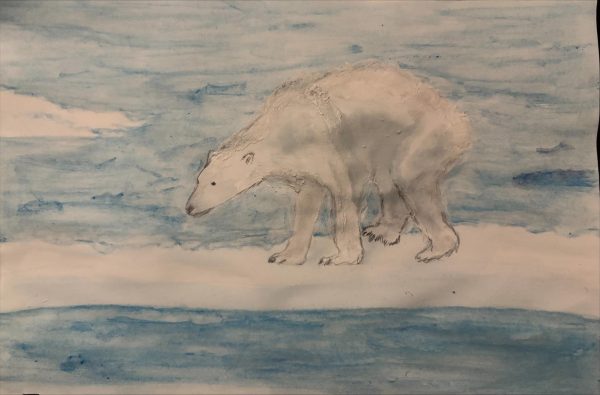
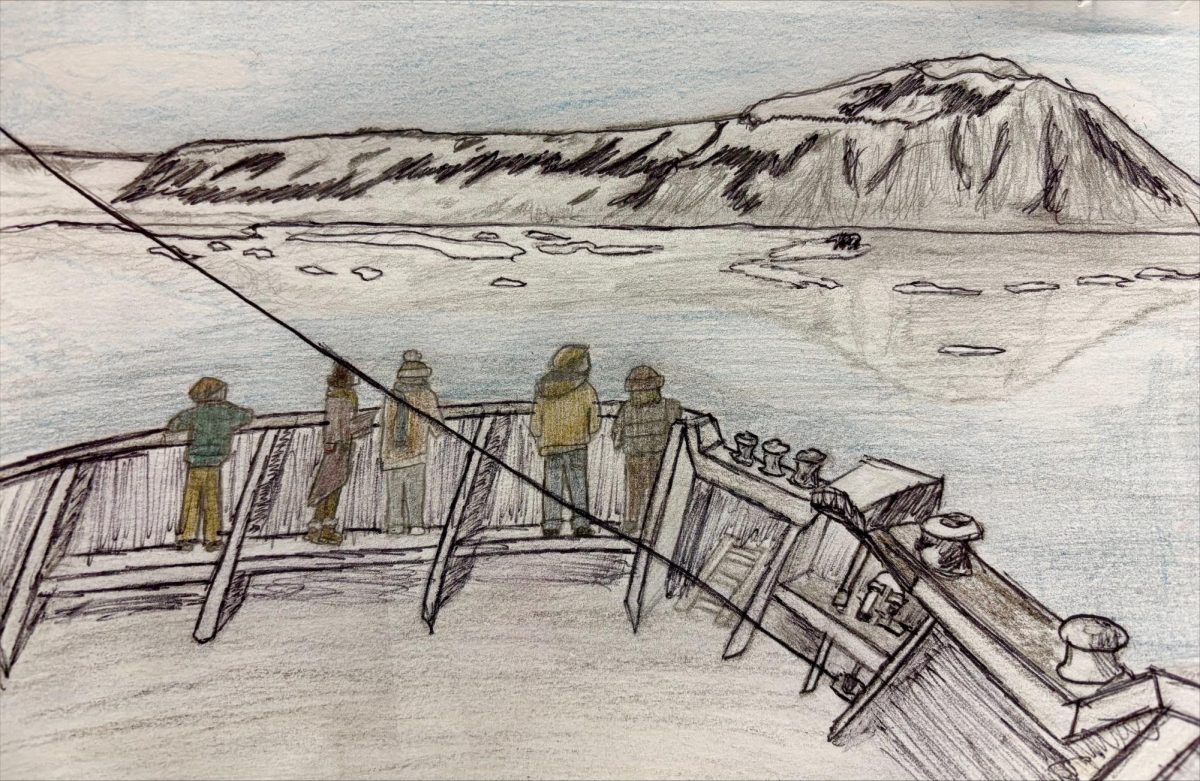
It’s important to look at the background information behind the picture of the starving polar bear on thin ice and how it was taken. Kerstin Langenberger does many things. She’s a photographer, an Arctic nature guide, a conservationist, and a lecturer and speaker; Langenberger is all about nature. She was leading a group of German tourists on a cruise through the Hinlopen Strait before they arrived upon the sight of the thin bear. Determined to bring this to attention, Langenberger took its picture and made sure to post it on her Facebook page along with her worry for the bears.
Looking at the statement in Langenberger’s post, a solid rhetorical question comes to attention: “Experts claim the Svalbard population is stable, even rising. Well, here comes my question: how can a population be stable if it consists of less and less females and cubs?” Noting that Langenberger is experienced in living seven years in a polar region and observing these bears over time, it gives her question rationality and makes it worthy of thought. Susan Crockford, an expert zoologist with a Ph.D. and more than 40 years of experience, however, doesn’t seem to agree with Langenberger. Writing an article against several pictures of suffering polar bears notorious for their links to climate change, she argues that “a photographer with no knowledge of polar bears took the picture and posted it on Facebook with her uninformed speculation that this was caused by climate change to get an emotional reaction from people.” Crockford then proceeds to explain that a lack of sea ice was not likely the cause of this bear’s condition, but that it was probably hurt or sick.
Langenberger’s words are strong and genuine. She’s seen polar bears in distress, watched starved mother bears and their helpless young scavenge for anything like bird eggs, moss, seaweed, and even make desperate attempts at hunting reindeer. Langenberger’s in-depth description of these unusual behaviors shows precisely how the lack of sea ice does, in fact, affect these bears greatly. Meanwhile, according to a 2018 study by Netherlands ecology professor Jeffrey Harvey, Crockford has neither conducted any original research nor published any articles in the peer-reviewed literature on the effects of sea ice on the population dynamics of polar bears. Her blog, Polar Bear Science, was a primary source used by websites that either deny or are skeptical of climate change, with over eighty percent citing it as their primary source of information on polar bears. This means not only has Crockford not done any research of her own or had her articles reviewed by fellow experts, but she has also influenced many climate change skeptics with her unchecked work. Langenberger’s firsthand observations help people understand the issue more effectively than the secondhand data Crockford gathers from other researchers’ studies to support her claims.
Susan Crockford may have a Ph.D. in zoology and more than 40 years of experience, but the evidence for her claims lacks originality and verification. Kerstin Langenberger’s words are strong: “I do not have scientific data to prove my observations, but I have eyes to see—and a brain to draw conclusions.” She has the experience of observing polar bears that Crockford does not. It’s not easy to compare someone who has a scholarly level of knowledge of these bears and someone who has actually seen how these bears suffer. One reason is that Crockford mostly bases her articles and blogs on other scientific experts’ findings, which makes them reliable to some extent. However, Kerstin Langenberger actually gets out in the cold and takes note of how these bears’ behaviors change because of climate change. One could say that Langenberger may outweigh Crockford’s views. Original research is important because it shows a scientist’s authenticity and their real dedication to finding the truth.