






One of the most prominent and famous holidays is coming up, one that gave rise to delicious and iconic food—Thanksgiving. While the purpose of the holiday is to give thanks and show gratitude, a fundamental part of the celebration is the meal. From turkey to mashed potatoes to pumpkin pie, food is the star of the show. While we can currently enjoy these delicious and hearty meals, many of these iconic dishes have interesting pasts. In this article, we will explore the old and fascinating beginnings of Thanksgiving’s most iconic meals.
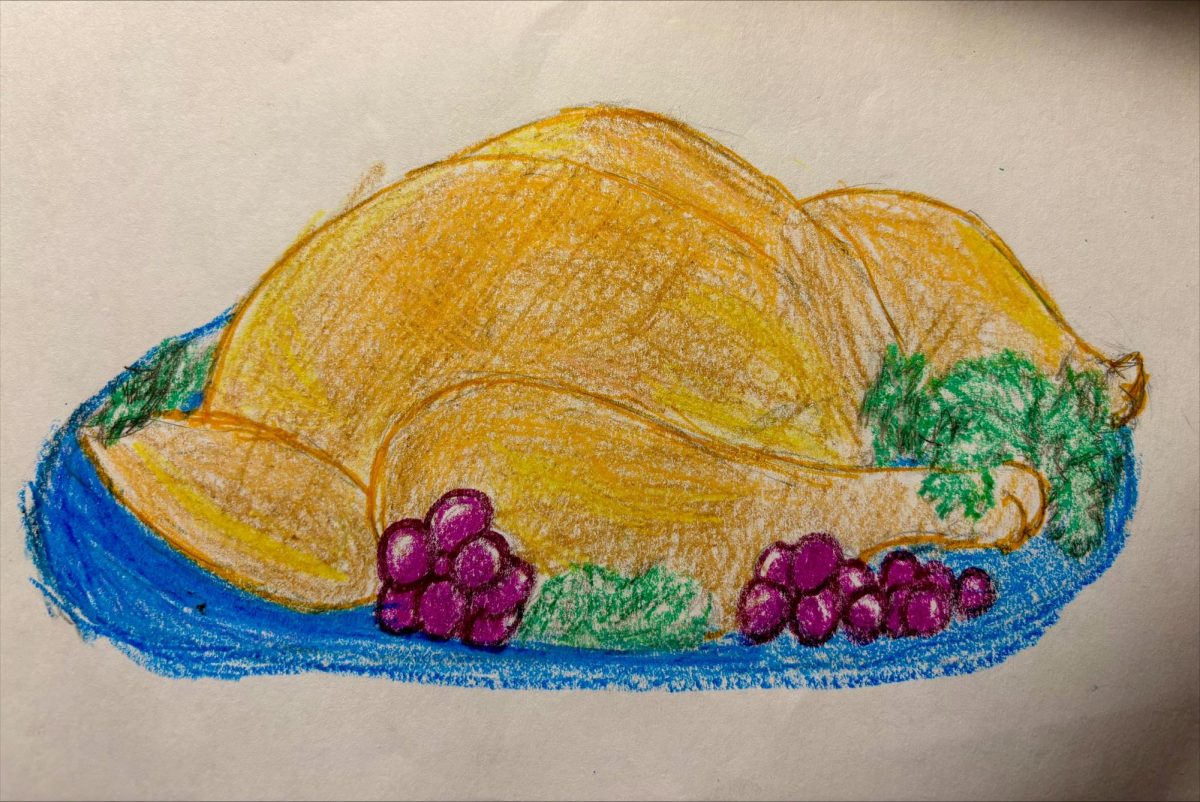
While the iconic meal is turkey, it’s not exactly known whether the Pilgrims actually feasted on turkey. The information we have on the original day is very little, with most of it coming from a colonist writing to his friend—colonist Edward Winslow. In his letter, “fowl” is mentioned, but not specifically turkey. Turkey naturally became a popular holiday meal by the 19th century because it’s a bigger bird than others, like chicken or peacock—a fairly popular bird eaten in Europe, where the Pilgrims came from. We have Sarah Josepha Hale to thank for associating turkey with Thanksgiving, let alone helping turn it into a national holiday. After advocating for Thanksgiving to become a national holiday and including turkey recipes in her magazine, President Abraham Lincoln later made it official in 1863—the last Thursday of November.
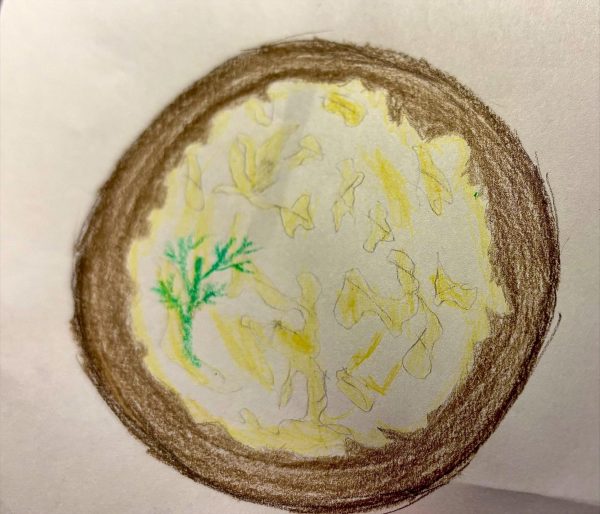
Mixing mashed potatoes and gravy was not always the way to go. The oldest recipe formashed potatoes is found in the 18th-century cookbook The Art of Cookery by Hannah Glasse, but she didn’t include mixing gravy with the potatoes. Making gravy originally came from British culinary tradition. Knowing their way around making curry, the British had no problem coming up with the recipe for gravy. The earliest recipe for gravy is found in the British cookbook The Forme of Cury. Through immigration and cultural diffusion, mixing mashed potatoes and gravy made its way to America.
One of the most infamous sides of Thanksgiving is green bean casserole. Many adore this famous dish, while others range from indifferent to outright hating it. While it is not wrong to say that this dish is one of the most infamous, its origins are rather unexpected. 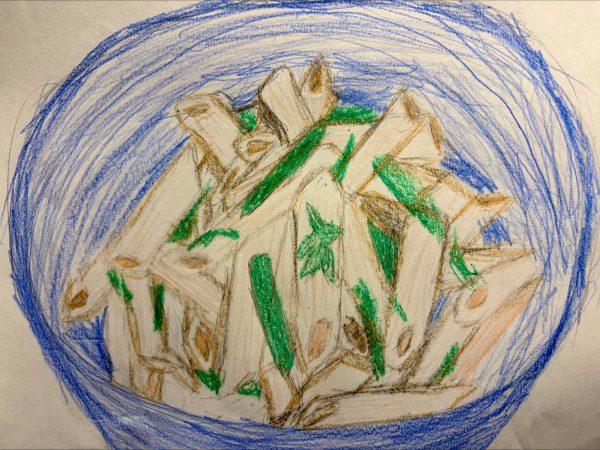 The beginnings of this dish can be traced all the way back to 1954 and to a woman named Dorcas Reilly. Miss Reilly worked as a recipe developer and manager for Campbell’s—the same company that sells the famous canned soups. She was in charge of creating a recipe that included Campbell’s canned green beans and mushroom soup. After much trial and error and plenty of experimentation, she came up with the iconic recipe, though it was originally called “Green Bean Bake.” Campbell’s later printed it on the back of their mushroom soup cans, and it soon became one of the company’s most requested recipes, eventually becoming a Thanksgiving staple and cementing itself as one of the most famous recipes of our time.
While green bean casserole is a famous dish in its own right, two other famous dishes include sweet potato casserole and cranberry sauce. Both of these sides lean more toward the sweet side, and it would not be 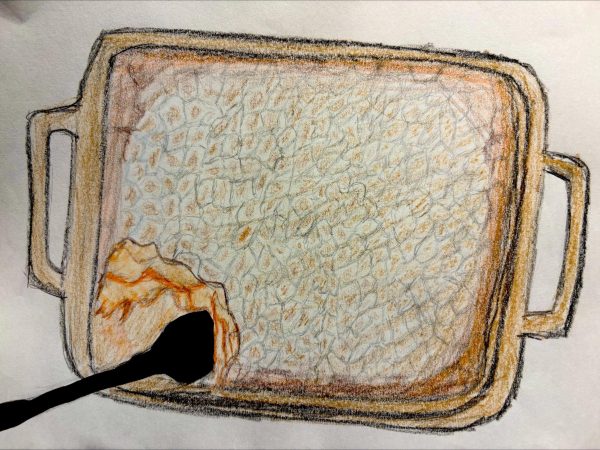 Thanksgiving without either of them. The origins of both dishes go further back than their green-bean sibling, especially the sweet potato. While sweet potatoes go all the way back to colonial times—as they were a native crop from the Americas—the earliest recipes involving candied sweet potatoes come from the 1800s and may have been enjoyed during Thanksgiving in that era. However, the earliest form of the modern recipe with marshmallows dates back to 1918, when a company known as Angelus Marshmallows wanted more marshmallows in American homes. They hired Janet McKenzie Hill, founder of the Boston Cooking School, to help them create recipes that included marshmallows. They made a cookbook full of marshmallow-based recipes, and in that cookbook came this iconic dish.
These two sides are famous and iconic in their own right, but nothing can topple a food—or in this case, a dessert—as famous as pumpkin pie. This dessert not only rules Thanksgiving but the entire fall season. Just like sweet potato
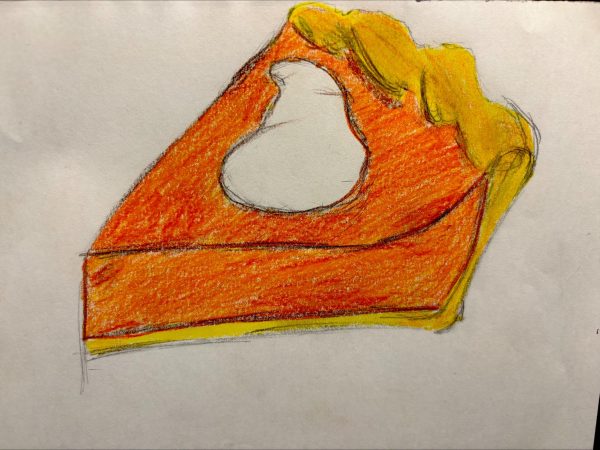 casserole, pumpkin pie goes back multiple centuries, and many versions have been made. From the 1600s to the 1700s to the 1800s, this dish has a long history. Its notoriety is also old; during the 1800s, it was already a very famous dessert. A major change occurred to pumpkin pie after the turn of the 19th century, when canned pumpkin began being used in the recipe. Before that, it was made mostly with whole ingredients. This change made the process easier and safer than its homemade counterpart. More updates followed, including mass-produced versions like pre-made pies and eventually frozen pies by the 1960s. The origins of this pie are extensive and very famous. This dessert not only rules Thanksgiving, but the entire season.